To be sold on retail on prescription of a Registered Medical Practitioner only.
Prescribing Information
1.0 Generic Name
Zinc Acetate Oral Solution USP
2.0 Qualitative and Quantitative Composition
Each 5ml contains: Zinc acetate USP (as dihydrate) equivalent to Elemental Zinc……. 20 mg Colour: Sunset Yellow FCF. In a mentholated flavoured syrup base.
3.0 Dosage Form and Strength
Dosage form – Syrup Dosage Strength – Elemental Zinc 20 mg/5 ml
4.0 Clinical Particulars
4.1 Therapeutic Indications
For the treatment of acute diarrhoea in children as an adjunct to oral rehydration.
4.2 Posology and Method of Administration
Infants (< 6 months): 2.5ml (10 mg) daily for 10–14 days after meals
Children (> 6 months): 5 ml (20 mg) daily for 10–14 days after meals
It is recommended that doses are given between meals and the dose repeated if the child vomits within 30 minutes.
For missed doses, the missing dose can be taken as soon as possible, unless the next dose is due within 6 hours.
4.3 Contraindications
Hypersensitivity to the active substance (zinc) or to any of the excipients
Copper deficiency
4.4 Special Warnings and Precautions for use
Renal Failure: zinc accumulation may occur in cases of renal failure. Hence caution should be exercised in patients with renal impairment with careful patient monitoring.
4.5 Drug Interactions
Antibacterials: When taken together, zinc may reduce the absorption of tetracyclines and quinolone (ciprofloxacin, levofloxacin etc) antibacterials. In addition, zinc may also interfere with the absorption of cephalexin or ceftibuten. An interval of at least 3 hours should be allowed between administration of zinc and any of these medicines.
Copper: Zinc may inhibit the absorption of copper.
Calcium Salts: The absorption of zinc may be reduced by calcium salts.
Iron: The absorption of zinc may be reduced by oral iron, also the absorption of oral iron may be reduced by zinc.
Penicillamine: The absorption of zinc may be reduced by penicillamine, also the absorption of penicillamine may be reduced by zinc.
Trientine: The absorption of zinc may be reduced by trientine, also the absorption of trientine may be reduced by zinc.
4.6 Use in Special Population
Pregnancy This medicine is not intended for adults. There are limited data on the use of zinc sulfate in pregnant women. Animal studies do not indicate reproductive toxicity at the human therapeutic dose.
Lactation Zinc is excreted in human breast milk and but at therapeutic doses no effect on the breastfed infant anticipated.
4.7 Effects on Ability to Drive and Use Machines
Zincace syrup is not expected to have any effect on the ability to drive and use machines.
4.8 Undesirable Effects
Gastrointestinal disorders: In clinical trials in children, administration of zinc tablets was associated with vomiting or regurgitation.
Copper malabsorption: Zinc may interfere with the absorption of copper, leading to reduced copper levels, and potentially copper deficiency. The risk of copper deficiency may be greater with long-term treatment and/or with higher doses of zinc.
The adverse reactions considered related to zinc are listed below by body system, organ class and absolute frequency. Frequencies are defined as very common (≥ 1/10), common (1/100 to 1/10), uncommon (1/1000 to 1/100), rare (1/10 000 to 1/1000), and very rare (< 1/10 000).
System Organ Class
Frequency
Adverse Reaction
Gastrointestinal disorders
Very common
Vomiting
Common
Regurgitation
Frequency not known
Abdominal pain, dyspepsia, nausea, gastric irritation and gastritis
Nervous system disorders
Frequency not known
Headache
General disorders
Frequency not known
Irritability, lethargy
Reporting of Suspected Adverse Reactions Reporting suspected adverse reactions after authorization of the medicinal product is important. It allows continued monitoring of the benefit/risk balance of the medicinal product. Healthcare professionals are asked to report any suspected adverse reactions via email to: medico@zorvia.com By reporting side effects, you can help provide more information on the safety of this medicine.
4.9 Overdose
Symptoms High doses of zinc cause emesis. In addition, zinc is corrosive at high doses, and may cause irritation and corrosion of the gastrointestinal tract, including ulceration of the stomach and possible perforation. Overdose with zinc has also been associated with acute renal tubular necrosis and interstitial nephritis. Prolonged high-dose zinc supplementation may result in copper deficiency.
Treatment For acute zinc overdose, treatment is primarily supportive, but giving milk or alkali carbonates and activated charcoal may be useful in cases of substantial ingestions of zinc tablets. Chelating agents such as sodium calcium edetate may be useful.
5.0 Pharmacological Properties
5.1 Mechanism of Action
Zinc supplementation plays a significant role in improving immunity and has been shown to be beneficial in the management of persistent and infective diarrhea through multiple mechanisms. Preclinical studies demonstrate that zinc inhibits cyclic AMP–induced, chloride-dependent intestinal fluid secretion by blocking basolateral potassium (K⁺) channels in the ileal mucosa. In addition, zinc enhances the absorption of water and electrolytes, promotes regeneration of the intestinal epithelium, increases the activity of brush border enzymes, and strengthens immune responses, thereby facilitating more effective pathogen clearance. Recent evidence also indicates that zinc inhibits toxin-mediated secretion in cholera. Collectively, these mechanisms explain the therapeutic benefit of zinc supplementation in diarrheal diseases.
Zinc supplementation has been shown to improve symptoms of acute respiratory illnesses. It reduces airway inflammation by preventing premature cell damage and modulating prostaglandin production, and enhances immune function by activating natural killer cells, macrophages, and lymphocytes. Zinc administration has also been shown to improve tachypnea during the acute phase of lower respiratory tract infections in hospitalized children. Zinc plays a critical role in immune regulation, oxidative stress, apoptosis, and cellular homeostasis.
5.2 Pharmacodynamic Properties
Pharmacotherapeutic group: Other mineral supplements, ATC code: A12CB01.
Zinc is an essential trace element which is present in a wide range of foods. It is found in all tissues.
Normal growth and tissue repair depend on adequate zinc levels. Zinc is an integral part of several enzymes important for protein and carbohydrate metabolism. Severe zinc deficiency is associated with growth retardation, primary hypogonadism, skin disease, disturbances of taste and smell, and impaired immunity, with increased susceptibility to infection.
Zinc supplementation has been shown to reduce the duration and severity of diarrhoea in populations of children with a high incidence of zinc deficiency, and also to reduce the frequency of recurrence in the subsequent 2–3 months. The benefits of zinc are possibly associated with reconstitution of the immune response. Direct inhibitory effects of zinc on enteric pathogens have also been reported.
5.3 Pharmacokinetic Properties
Parameters
Details
Oral bioavailability
absorbed (20% to 40%) from the GI tract
Food effect
Food can interfere with zinc absorption, particularly phytates and fibre, which bind to zinc, resulting in poorly absorbed zinc complexes.
Plasma protein binding
Plasma zinc levels range from 70 to 110μg/dL. 80% of serum zinc bound to albumin and the remainder to alpha2-macroglobulin and amino acids.
Tissue distribution
Zinc is distributed throughout the body. 85% of total body zinc is found in skeletal muscle and bone. The highest concentrations occur in hair, eyes, male reproductive organs and bone. Lower levels are present in liver, kidney and muscle. In blood, zinc is mainly localized within erythrocytes (80%).
Elimination
The plasma elimination half-life of zinc in healthy subjects is around 1 hour. Primarily excreted via the gastrointestinal tract and eliminated in the faeces. A smaller amount of zinc is excreted via the kidneys in the urine.
6.0 Nonclinical Properties
6.1 Animal Toxicology or Pharmacology
Not available
7.0 Description
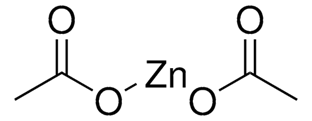
Zinc acetate as the dihydrate is a salt of zinc used for the treatment of acute diarrhoea in children as an adjunct to oral rehydration.
Store below 25°C. Protect from light. Keep out of reach of children.
9.0 Patient Counselling Information
Do not take Zincace Syrup
If you are allergic (hypersensitive) to zinc acetate or any of the other ingredients of Zincace Syrup
If you have copper deficiency
Warnings and precautions
Talk to your doctor before taking Zincace Syrup if you suffer from kidney disease. In such cases, your doctor or pharmacist will decide whether Zincace Syrup is suitable for you.
Taking other medicines
Tell your doctor if you are taking, have recently taken, or might take any other medicines. This is especially important if you are taking: