4.0 Clinical Particulars
4.1 Therapeutic Indications
Zinc Acetate is a source of zinc which is an essential trace element and involved in a number of body enzyme systems.
Zincace®-50 Tablets is indicated in adults and adolescents for the treatment of zinc deficiency.
4.2 Posology and Method of Administration
One tablet, once to three times daily after meals.
Method of Administration: Oral
Zinc should be taken between meals but if GI upset occurs, zinc can be taken with food.
4.3 Contraindications
- Hypersensitivity to the active substance or to any of the excipients listed in the formulation.
- Copper deficiency
4.4 Special Warnings and Precautions for use
Renal impairment: Accumulation of zinc may occur in cases of renal failure. Hence caution should be exercised in patients with renal impairment with careful patient monitoring.
4.5 Drug Interactions
Copper
Zinc may inhibit the absorption of copper.
Tetracycline Antibacterials
Zinc may reduce the absorption of concurrently administered tetracyclines, also the absorption of zinc may be reduced by tetracyclines; when both are being given an interval of at least three hours should be allowed.
Quinolone Antibacterials
Zinc may reduce the absorption of quinolones; ciprofloxacin, levofloxacin, moxifloxacin, norfloxacin and ofloxacin.
Calcium Salts
The absorption of zinc may be reduced by calcium salts.
Iron
The absorption of zinc may be reduced by oral iron, also the absorption of oral iron may be reduced by zinc.
Penicillamine
The absorption of zinc may be reduced by penicillamine, also the absorption of penicillamine may be reduced by zinc.
Trientine
The absorption of zinc may be reduced by trientine, also the absorption of trientine may be reduced by zinc.
4.6 Use in Special Populations
Pregnancy
The safety of this product in human pregnancy has not been established. Zinc crosses the placenta and is present in breast milk.
Lactation
Zinc is excreted in human breast milk and zinc-induced copper deficiency in the breast-fed baby may occur. Therefore, breast-feeding should be avoided during zinc therapy.
4.7 Effects on Ability to Drive and Use Machines
No studies on the effect on the ability to drive and use machines have been performed.
4.8 Undesirable Effects
Zinc salts may cause abdominal pain, dyspepsia, nausea, vomiting, diarrhoea, gastric irritation and gastritis. There have also been cases of irritability, headache and lethargy observed. Zinc may interfere with the absorption of copper, leading to reduced copper levels, and potentially copper deficiency. The risk of copper deficiency may be greater with long-term treatment (e.g. if zinc deficiency is no longer present) and/or with higher doses of zinc.
Reporting of Suspected Adverse Reactions
Reporting suspected adverse reactions after authorization of the medicinal product is important. It allows continued monitoring of the benefit/risk balance of the medicinal product. Healthcare professionals are asked to report any suspected adverse reactions via email to: medico@zorvia.com
By reporting side effects, you can help provide more information on the safety of this medicine.
4.9 Overdose
Zinc Acetate is corrosive in overdosage. Symptoms are corrosion and inflammation of the mucous membrane of the mouth and stomach; ulceration of the stomach followed by perforation may occur. Gastric lavage and emesis should be avoided. Demulcents such as milk should be given. Chelating agents such as sodium calcium edetate may be useful.
5.0 Pharmacological Properties
5.1 Mechanism of Action
Zinc supplementation improves immunity. Various studies have quoted different mechanisms of action of zinc in persistent and infective diarrhea patients: Preclinical studies have shown that zinc inhibits cAMP induced, chloride dependent fluid secretion by inhibiting basolateral potassium (K) channels of ileal mucosa. Zinc also improves the absorption of water and electrolytes, improves regeneration of the intestinal epithelium, increases the levels of brush border enzymes, and enhances the immune response, allowing for a better clearance of the pathogens. Recent evidence demonstrate that zinc inhibits toxin induced cholera.
It is demonstrated that zinc supplementation could improve symptoms of acute respiratory illness. It may prevent premature cell destruction and promotes activity of enzymes that affect production of prostaglandin from essential fatty acids, and as a result, leads to decrement of inflammation in airways. It also can activate natural killer cells, macrophages and lymphocytes.
Zinc has critical effect in homeostasis, in immune function, oxidative stress, apoptosis, and aging, and significant disorders of great public health interest are associated with zinc deficiency. In many chronic diseases, including atherosclerosis, several malignancies, neurological disorders, autoimmune diseases, aging, age-related degenerative diseases, and Wilson's disease, the concurrent zinc deficiency may complicate the clinical features, affect adversely immunological status, increase oxidative stress, and lead to the generation of inflammatory cytokines. In these diseases, oxidative stress and chronic inflammation may play important causative roles.
5.2 Pharmacodynamic Properties
Zinc is an essential trace element involved in many enzyme systems. Severe deficiency causes skin lesion, alopecia, diarrhoea, increased susceptibility to infections and failure to thrive in children. Symptoms of less severe deficiency include distorted or absent perceptions of taste and smell and poor wound healing.
5.3 Pharmacokinetic Properties
Zinc is absorbed from the gastrointestinal tract and distributed throughout the body. The highest concentrations occur in hair, eyes, male reproductive organs and bone. Lower levels are present in liver, kidney and muscle. In blood 80% is found in erythrocytes. Plasma zinc levels range from 70 to 110µg/dL and about 50% of this is loosely bound to albumin. About 7% is amino-acid bound and the rest is tightly bound to alpha 2-macroglobulins and other proteins.
6.0 Nonclinical Properties
6.1 Animal Toxicology or Pharmacology
No known animal toxicology data.
7.0 Description
Zinc is an integral component of many metallo enzymes in the body; it is involved in the synthesis and stabilization of proteins, DNA and RNA, and plays a structural role in ribosomes and membranes. Zinc is involved in oxygen transport and protection against free radical damage. Zinc facilitates wound healing and helps maintain normal growth rates, normal skin hydration and senses of taste and smell. Zinc acts as an integral part of several enzymes important to protein and carbohydrate metabolism.
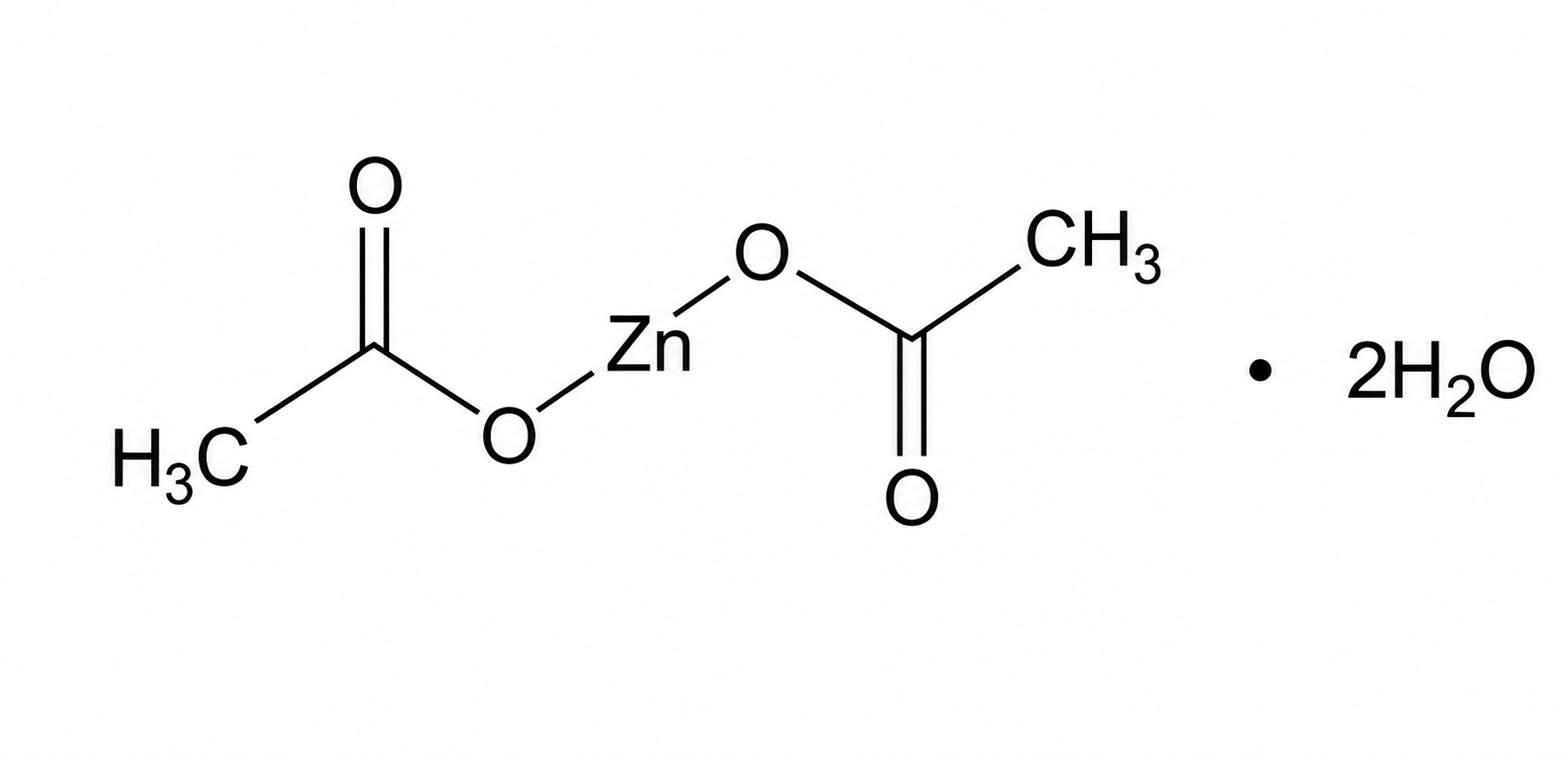
Molecular Formula: C4H6O4Zn.2H2O
Molecular Weight: 219.5 g/mol
8.0 Pharmaceutical Particulars
8.1 Incompatibilities
Not applicable
8.2 Shelf-Life
Refer on pack
8.3 Packaging Information
Refer on pack
8.4 Storage and Handling Instructions
Store protected from light & moisture, at a temperature not exceeding 30°C.
9.0 Patient Counselling Information
Do not take Zincace®-50 Tablets
- if you are allergic (hypersensitive) to zinc acetate or any of the other ingredients.
- if you have copper deficiency
Talk to your doctor, before taking Zincace®-50 Tablets if you suffer from kidney disease. If this applies to you it is important that you tell your doctor or pharmacist before taking Zincace®-50 Tablets and they will decide what to do.
Tell your doctor or pharmacist if you are taking, have recently taken or might take any other medicines. This is especially important if you are taking or have recently taken any of the following:
- Copper
- Tetracycline Antibacterials
- Quinolone Antibacterials
- Calcium Salts
- Iron
- Penicillamine
- Trientine
Zincace®-50 Tablets should be taken after meals.