To be sold on retail on prescription of a Registered Medical Practitioner only.
Prescribing Information
1.0 Generic Name
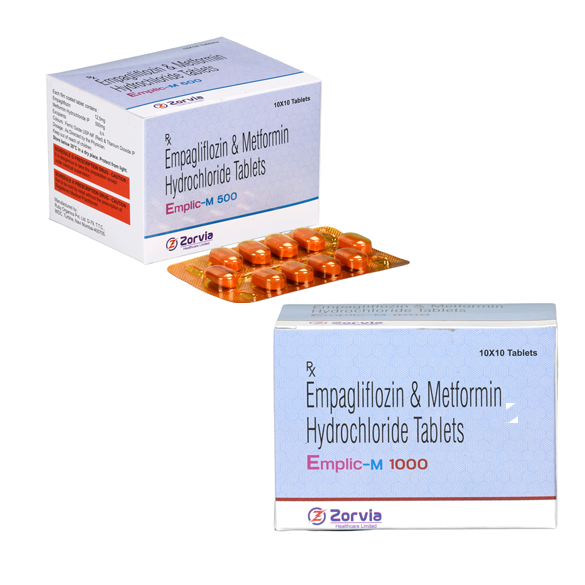
Empagliflozin and Metformin hydrochloride tablets
2.0 Qualitative and Quantitative Composition
Emplic-M 500 Each film coated tablets contains: Empagliflozin............................12.5mg Metformin Hydrochloride IP.......500mg Excipients.......................................q.s. Colours: Ferric Oxide USP-NF (Red) & Titanium Dioxide IP
Emplic-M 1000 Each film coated tablets contains: Empagliflozin...........................12.5mg Metformin Hydrochloride IP....1000mg Excipients.......................................q.s. Colours: Ferric Oxide USP-NF (Red) & Titanium Dioxide IP
3.0 Dosage Form and Strength
Dosage Form: Tablet Strength: Empagliflozin 12.5mg and Metformin 500/1000mg
4.0 Clinical Particulars
4.1 Therapeutic Indications
Indicated as an adjunct to diet and exercise to improve glycemic control in adult patients with type 2 diabetes mellitus who are not adequately controlled on a regimen containing empagliflozin or metformin, or in patients already being treated with both empagliflozin and metformin.
4.2 Posology and Method of Administration
Posology
Adults with normal renal function (eGFR ≥90 ml/min/1.73 m2) The recommended dose is one tablet twice daily. The dosage should be individualised based on the patient's current regimen, effectiveness, and tolerability using the recommended daily dose of 10 mg or 25 mg of empagliflozin, while not exceeding the maximum recommended daily dose of metformin.
When Emplic-M 500/1000 is used in combination with a sulphonylurea and/or insulin, a lower dose of sulphonylurea and/or insulin may be required to reduce the risk of hypoglycaemia.
For patients switching from separate tablets of empagliflozin and metformin Patients switching from separate tablets of empagliflozin (10 mg or 25 mg total daily dose) and metformin to Emplic-M 500/1000 should receive the same daily dose of empagliflozin and metformin already being taken or the nearest therapeutically appropriate dose of metformin.
Missed dose If a dose is missed, it should be taken as soon as the patient remembers; however, a double dose should not be taken on the same time. In that case, the missed dose should be skipped.
Special populations
Renal impairment The glycaemic efficacy of empagliflozin is dependent on renal function. For cardiovascular risk reduction as add on to standard of care, a dose of 10 mg empagliflozin daily should be used in patients with an eGFR below 60 ml/min/1.73 m2. Because the glycaemic lowering efficacy of empagliflozin is reduced in patients with moderate renal impairment and likely absent in patients with severe renal impairment, if further glycaemic control is needed, the addition of other anti-hyperglycaemic agents should be considered.
For dose adjustment recommendations according to eGFR or CrCL refer to Table 1.
An eGFR should be assessed before initiation of treatment with metformin containing products and at least annually thereafter. In patients at increased risk of further progression of renal impairment and in the elderly, renal function should be assessed more frequently, e.g. every 3-6 months.
If no adequate strength of Emplic-M 500/1000 is available, individual monocomponents should be used instead of the fixed dose combination.
Table 1: Posology for renally impaired adult patients
eGFR [ml/min/1.73 m²] or CrCL [ml/min]
Metformin
Empagliflozin
≥60
Maximum daily dose is 3000 mg. Dose reduction may be considered in relation to declining renal function.
Initiate with 10 mg. In patients tolerating 10 mg and requiring additional glycaemic control, the dose can be increased to 25 mg.
45 to <60
Maximum daily dose is 2000 mg. The starting dose is at most half of the maximum dose.
Initiate with 10 mg. Continue with 10 mg in patients already taking empagliflozin.
30 to <45
Maximum daily dose is 1000 mg. The starting dose is at most half of the maximum dose.
Initiate with 10 mg. Continue with 10 mg in patients already taking empagliflozin.
<30
Metformin is contraindicated.
Empagliflozin is not recommended.
Hepatic impairment This medicinal product must not be used in patients with hepatic impairment.
Elderly Due to the mechanism of action, decreased renal function will result in reduced glycaemic efficacy of empagliflozin. Because metformin is excreted by the kidney and elderly patients are more likely to have decreased renal function, Emplic-M 500/1000 should be used with caution in these patients. Monitoring of renal function is necessary to aid in prevention of metformin-associated lactic acidosis, particularly in elderly patients. In patients 75 years and older, an increased risk for volume depletion should be considered.
Method of administration Emplic-M 500/1000 should be taken twice daily with meals to reduce the gastrointestinal adverse reactions associated with metformin. The tablets should be swallowed whole with water. All patients should continue their diet with an adequate distribution of carbohydrate intake during the day. Overweight patients should continue their energy restricted diet.
4.3 Contraindications
Hypersensitivity to the active substances or to any of the excipients listed in the formulation
Any type of acute metabolic acidosis (such as lactic acidosis, diabetic ketoacidosis)
Diabetic pre-coma.
Severe renal failure (eGFR <30 ml/min/1.73 m2)
Acute conditions with the potential to alter renal function such as dehydration, severe infection, shock
Disease which may cause tissue hypoxia (especially acute disease or worsening of chronic disease) such as decompensated heart failure, respiratory failure, recent myocardial infarction, shock
General Empagliflozin should not be used in patients with type 1 diabetes mellitus
Lactic acidosis Lactic acidosis, a very rare but serious metabolic complication, most often occurs at acute worsening of renal function or cardiorespiratory illness or sepsis. Metformin accumulation occurs at acute worsening of renal function and increases the risk of lactic acidosis.
In case of dehydration (severe diarrhoea or vomiting, fever or reduced fluid intake), metformin should be temporarily discontinued and contact with a health care professional is recommended.
Medicinal products that can acutely impair renal function (such as antihypertensives, diuretics and NSAIDs) should be initiated with caution in metformin-treated patients. Other risk factors for lactic acidosis are excessive alcohol intake, hepatic insufficiency, inadequately controlled diabetes, ketosis, prolonged fasting and any conditions associated with hypoxia, as well as concomitant use of medicinal products that may cause lactic acidosis.
Patients and/or care-givers should be informed of the risk of lactic acidosis. Lactic acidosis is characterised by acidotic dyspnea, abdominal pain, muscle cramps, asthenia and hypothermia followed by coma. In case of suspected symptoms, the patient should stop taking metformin and seek immediate medical attention. Diagnostic laboratory findings are decreased blood pH (<7.35), increased plasma lactate levels (>5 mmol/l) and an increased anion gap and lactate/pyruvate ratio.
Patients with known or suspected mitochondrial diseases In patients with known mitochondrial diseases such as Mitochondrial Encephalopathy with Lactic Acidosis, and Stroke-like episodes (MELAS) syndrome and Maternal inherited diabetes and deafness (MIDD), metformin is not recommended due to the risk of lactic acidosis exacerbation and neurologic complications which may lead to worsening of the disease.
In case of signs and symptoms suggestive of MELAS syndrome or MIDD after the intake of metformin, treatment with metformin should be withdrawn immediately and prompt diagnostic evaluation should be performed.
Diabetic ketoacidosis Rare cases of diabetic ketoacidosis (DKA), including life-threatening and fatal cases, have been reported in patients treated with SGLT2 inhibitors, including empagliflozin. In a number of cases, the presentation of the condition was atypical with only moderately increased blood glucose values, below 14 mmol/l (250 mg/dl). It is not known if DKA is more likely to occur with higher doses of empagliflozin.
The risk of diabetic ketoacidosis must be considered in the event of non-specific symptoms such as nausea, vomiting, anorexia, abdominal pain, excessive thirst, difficulty breathing, confusion, unusual fatigue or sleepiness. Patients should be assessed for ketoacidosis immediately if these symptoms occur, regardless of blood glucose level.
In patients where DKA is suspected or diagnosed, treatment with empagliflozin should be discontinued immediately.
Treatment should be interrupted in patients who are hospitalised for major surgical procedures or acute serious medical illnesses. Monitoring of ketones is recommended in these patients. Measurement of blood ketone levels is preferred to urine. Treatment with empagliflozin may be restarted when the ketone values are normal and the patient's condition has stabilised.
Before initiating empagliflozin, factors in the patient history that may predispose to ketoacidosis should be considered.
Prolonged diabetic ketoacidosis and prolonged glucosuria have been observed with empagliflozin. Diabetic ketoacidosis may last longer after discontinuation of empagliflozin than expected from the plasma half-life. Empagliflozin-independent factors, such as insulin deficiency, might be involved in prolonged periods of diabetic ketoacidosis.
Patients who may be at higher risk of DKA include patients with a low beta-cell function reserve (e.g. type 2 diabetes patients with low C-peptide or latent autoimmune diabetes in adults (LADA) or patients with a history of pancreatitis), patients with conditions that lead to restricted food intake or severe dehydration, patients for whom insulin doses are reduced and patients with increased insulin requirements due to acute medical illness, surgery or alcohol abuse. SGLT2 inhibitors should be used with caution in these patients.
Restarting SGLT2 inhibitor treatment in patients with previous DKA while on SGLT2 inhibitor treatment is not recommended, unless another clear precipitating factor is identified and resolved.
Emplic-M 500/1000 should not be used in patients with type 1 diabetes. Data from a clinical trial program in patients with type 1 diabetes showed increased DKA occurrence with common frequency in patients treated with empagliflozin 10 mg and 25 mg as an adjunct to insulin compared to placebo.
Administration of iodinated contrast agent Intravascular administration of iodinated contrast agents may lead to contrast induced nephropathy, resulting in metformin accumulation and an increased risk of lactic acidosis. Metformin should be discontinued prior to or at the time of the imaging procedure and not restarted until at least 48 hours after, provided that renal function has been re-evaluated and found to be stable.
Renal impairment Due to the mechanism of action, decreased renal function will result in reduced glycaemic efficacy of empagliflozin. Empagliflozin/metformin is contraindicated in patients with eGFR<30 ml/min/1.73 m2 and should be temporarily discontinued in the presence of conditions that alter renal function.
Monitoring of renal function Assessment of renal function is recommended as follows: - Prior to empagliflozin/metformin initiation and periodically during treatment, i.e. at least yearly - Prior to initiation of any concomitant medicinal product that may have a negative impact on renal function.
Cardiac function Patients with heart failure are more at risk of hypoxia and renal insufficiency. In patients with stable chronic heart failure, Emplic-M 500/1000 may be used with a regular monitoring of cardiac and renal function. For patients with acute and unstable heart failure, Emplic-M 500/1000 is contraindicated due to the metformin component.
Surgery Metformin must be discontinued at the time of surgery under general, spinal or epidural anaesthesia. Therapy may be restarted no earlier than 48 hours following surgery or resumption of oral nutrition and provided that renal function has been re-evaluated and found to be stable.
Risk for volume depletion Based on the mode of action of SGLT2 inhibitors, osmotic diuresis accompanying therapeutic glucosuria may lead to a modest decrease in blood pressure. Therefore, caution should be exercised in patients for whom a empagliflozin-induced drop in blood pressure could pose a risk, such as patients with known cardiovascular disease, patients on anti-hypertensive therapy with a history of hypotension or patients aged 75 years and older.
In case of conditions that may lead to fluid loss (e.g. gastrointestinal illness), careful monitoring of volume status (e.g. physical examination, blood pressure measurements, laboratory tests including haematocrit) and electrolytes is recommended for patients receiving Emplic-M 500/1000. Temporary interruption of treatment with Emplic-M 500/1000 should be considered until the fluid loss is corrected.
Elderly The effect of empagliflozin on urinary glucose excretion is associated with osmotic diuresis, which could affect the hydration status. Patients aged 75 years and older may be at an increased risk of volume depletion. Therefore, special attention should be given to their volume intake in case of co-administered medicinal products which may lead to volume depletion (e.g. diuretics, ACE inhibitors).
Urinary tract infections Cases of complicated urinary tract infections including pyelonephritis and urosepsis have been reported in patients treated with empagliflozin. Temporary interruption of treatment should be considered in patients with complicated urinary tract infections.
Necrotising fasciitis of the perineum (Fournier's gangrene) Cases of necrotising fasciitis of the perineum, (also known as Fournier's gangrene), have been reported in female and male patients taking SGLT2 inhibitors, including empagliflozin. This is a rare but serious and potentially life-threatening event that requires urgent surgical intervention and antibiotic treatment.
Patients should be advised to seek medical attention if they experience a combination of symptoms of pain, tenderness, erythema, or swelling in the genital or perineal area, with fever or malaise. Be aware that either uro-genital infection or perineal abscess may precede necrotising fasciitis. If Fournier´s gangrene is suspected, Emplic-M 500/1000 should be discontinued, and prompt treatment (including antibiotics and surgical debridement) should be instituted.
Lower limb amputations An increase in cases of lower limb amputation (primarily of the toe) has been observed in long-term clinical studies with another SGLT2 inhibitor. It is unknown whether this constitutes a class effect. Like for all diabetic patients it is important to counsel patients on routine preventative foot-care.
Hepatic injury Cases of hepatic injury have been reported with empagliflozin in clinical trials. A causal relationship between empagliflozin and hepatic injury has not been established.
Elevated haematocrit Haematocrit increase was observed with empagliflozin treatment. Patients with pronounced elevations in haematocrit should be monitored and investigated for underlying haematological disease.
Chronic kidney disease There is experience with empagliflozin for the treatment of diabetes in patients with chronic kidney disease (eGFR ≥30 mL/min/1.73 m2) both with and without albuminuria. Patients with albuminuria may benefit more from treatment with empagliflozin.
Urine laboratory assessments Due to its mechanism of action, patients taking Emplic-M 500/1000 will test positive for glucose in their urine.
Interference with 1,5-anhydroglucitol (1,5-AG) assay Monitoring glycaemic control with 1,5-AG assay is not recommended as measurements of 1,5-AG are unreliable in assessing glycaemic control in patients taking SGLT2 inhibitors. Use of alternative methods to monitor glycaemic control is advised.
Vitamin B12 Metformin may reduce vitamin B12 levels. The risk of low vitamin B12 levels increases with increasing metformin dose, treatment duration, and/or in patients with risk factors known to cause vitamin B12 deficiency. In case of suspicion of vitamin B12 deficiency (such as anaemia or neuropathy), vitamin B12 serum levels should be monitored. Periodic vitamin B12 monitoring could be necessary in patients with risk factors for vitamin B12 deficiency. Metformin therapy should be continued for as long as it is tolerated and not contra-indicated.
4.5 Drug Interactions
Table 2: Clinically Relevant Interactions with Emplic-M 500/1000
Interacting Drugs
Clinical Impact
Intervention
Carbonic Anhydrase Inhibitors
Topiramate or other carbonic anhydrase inhibitors (e.g., zonisamide, acetazolamide or dichlorphenamide) frequently causes a decrease in serum bicarbonate and induce non-anion gap, hyperchloremic metabolic acidosis. Concomitant use of these drugs with Emplic-M 500/1000 may increase the risk of lactic acidosis.
Consider more frequent monitoring of these patients.
Drugs that Reduce Metformin Clearance
Concomitant use of drugs that interfere with common renal tubular transport systems involved in the renal elimination of metformin (e.g., organic cationic transporter-2 [OCT2] / multidrug and toxin extrusion [MATE] inhibitors such as ranolazine, vandetanib, dolutegravir, and cimetidine) could increase systemic exposure to metformin and may increase the risk for lactic acidosis.
Consider the benefits and risks of concomitant use.
Alcohol
Alcohol is known to potentiate the effect of metformin on lactate metabolism.
Warn patients against excessive alcohol intake while receiving Emplic-M 500/1000.
Diuretics
Coadministration of empagliflozin with diuretics resulted in increased urine volume and frequency of voids, which might enhance the potential for volume depletion.
Before initiating Emplic-M 500/1000, assess volume status and renal function. In patients with volume depletion, correct this condition before initiating Emplic-M 500/1000. Monitor for signs and symptoms of volume depletion, and renal function after initiating therapy.
Insulin or Insulin Secretagogues
The risk of hypoglycemia is increased when Emplic-M 500/1000 is used in combination with insulin secretagogues (e.g., sulfonylurea) or insulin.
Coadministration of Emplic-M 500/1000 with an insulin secretagogue (e.g., sulfonylurea) or insulin may require lower dosages of the insulin secretagogue or insulin to reduce the risk of hypoglycemia.
Drugs Affecting Glycemic Control
Certain drugs tend to produce hyperglycemia and may lead to loss of glycemic control. These drugs include the thiazides and other diuretics, corticosteroids, phenothiazines, thyroid products, estrogens, oral contraceptives, phenytoin, nicotinic acid, sympathomimetics, calcium channel blocking drugs, and isoniazid.
When such drugs are administered to a patient receiving Emplic-M 500/1000, the patient should be closely observed to maintain adequate glycemic control. When such drugs are withdrawn from a patient receiving Emplic-M 500/1000, the patient should be observed closely for hypoglycemia.
Lithium
Concomitant use of an SGLT2 inhibitor with lithium may decrease serum lithium concentrations.
Monitor serum lithium concentration more frequently during Emplic-M 500/1000 initiation and dosage changes.
Positive Urine Glucose Test
SGLT2 inhibitors increase urinary glucose excretion and will lead to positive urine glucose tests.
Monitoring glycemic control with urine glucose tests is not recommended in patients taking SGLT2 inhibitors. Use alternative methods to monitor glycemic control.
Interference with 1,5-anhydroglucitol (1,5-AG) Assay
Measurements of 1,5-AG are unreliable in assessing glycemic control in patients taking SGLT2 inhibitors.
Monitoring glycemic control with 1,5-AG assay is not recommended. Use alternative methods to monitor glycemic control.
4.6 Use in Special Population
Pregnancy There are no data from the use of this medicinal product or empagliflozin in pregnant women. Animal studies show that empagliflozin crosses the placenta during late gestation to a very limited extent but do not indicate direct or indirect harmful effects with respect to early embryonic development. However, animal studies have shown adverse effects on postnatal development. A limited amount of data suggests that the use of metformin in pregnant women is not associated with an increased risk of congenital malformations. Animal studies with the combination of empagliflozin and metformin or with metformin alone have shown reproductive toxicity at higher doses of metformin only.
When the patient plans to become pregnant, and during pregnancy, it is recommended that diabetes is not treated with this medicinal product, but insulin should be used to maintain blood glucose levels as close to normal as possible, to reduce the risk of malformations of the foetus associated with abnormal blood glucose levels.
Breast-feeding Metformin is excreted into human milk. No effects have been shown in breastfed newborns/infants of treated women. No data in humans are available on excretion of empagliflozin into milk. Available animal data have shown excretion of empagliflozin and metformin in milk. A risk to the newborns/infants cannot be excluded.
This medicinal product should not be used during breast feeding.
Fertility No studies on the effect on human fertility have been conducted for this medicinal product or empagliflozin. Animal studies with empagliflozin and metformin do not indicate direct or indirect harmful effects with respect to fertility.
4.7 Effects on Ability to Drive and Use Machines
Emplic-M 500/1000 has minor influence on the ability to drive and use machines. Patients should be advised to take precautions to avoid hypoglycaemia while driving and using machines, when Emplic-M 500/1000 is used in combination with a sulphonylurea and/or insulin.
4.8 Undesirable Effects
Table 3: Tabulated list of adverse reactions
System Organ Class
Frequency
Adverse Reaction
Infections and infestations
Common
Vaginal moniliasis, vulvovaginitis, balanitis and other genital infections. Urinary tract infection (including pyelonephritis and urosepsis)
Infections and infestations
Rare
Necrotising fasciitis of the perineum (Fournier´s gangrene)
Metabolism and nutrition disorders
Very common
Hypoglycemia (when used with sulphonylurea or insulin)
Reporting of Suspected Adverse Reactions Reporting suspected adverse reactions after authorization of the medicinal product is important. It allows continued monitoring of the benefit/risk balance of the medicinal product. Healthcare professionals are asked to report any suspected adverse reactions via email to: medico@zorvia.com By reporting side effects, you can help provide more information on the safety of this medicine.
4.9 Overdose
Symptoms
Empagliflozin In controlled clinical studies single doses of up to 800 mg empagliflozin (equivalent to 32-times the highest recommended daily dose) in healthy volunteers and multiple daily doses of up to 100 mg empagliflozin (equivalent to 4-times the highest recommended daily dose) in patients with type 2 diabetes did not show any toxicity. Empagliflozin increased urine glucose excretion leading to an increase in urine volume. The observed increase in urine volume was not dose-dependent and is not clinically meaningful. There is no experience with doses above 800 mg in humans.
Metformin Hypoglycaemia has not been seen with metformin doses of up to 85 g, although lactic acidosis has occurred in such circumstances. High overdose of metformin or concomitant risks may lead to lactic acidosis. Lactic acidosis is a medical emergency and must be treated in hospital.
Therapy In the event of an overdose, treatment should be initiated as appropriate to the patient's clinical status. The most effective method to remove lactate and metformin is haemodialysis. The removal of empagliflozin by haemodialysis has not been studied.
5.0 Pharmacological Properties
5.1 Pharmacodynamic Properties/ Mechanism of Action
Emplic-M 500/1000 combines two anti-hyperglycaemic medicinal products with complementary mechanisms of action to improve glycaemic control in patients with type 2 diabetes: empagliflozin, an inhibitor of sodium-glucose co-transporter 2 (SGLT2), and metformin hydrochloride, a member of the biguanide class.
Empagliflozin Empagliflozin is a reversible, highly potent (IC50 of 1.3 nmol) and selective competitive inhibitor of SGLT2. Empagliflozin does not inhibit other glucose transporters important for glucose transport into peripheral tissues and is 5000-times more selective for SGLT2 versus SGLT1, the major transporter responsible for glucose absorption in the gut. SGLT2 is highly expressed in the kidney, whereas expression in other tissues is absent or very low. It is responsible, as the predominant transporter, for the reabsorption of glucose from the glomerular filtrate back into the circulation. In patients with type 2 diabetes and hyperglycaemia a higher amount of glucose is filtered and reabsorbed.
Empagliflozin improves glycaemic control in patients with type 2 diabetes by reducing renal glucose reabsorption. The amount of glucose removed by the kidney through this glucuretic mechanism is dependent on blood glucose concentration and GFR. Inhibition of SGLT2 in patients with type 2 diabetes and hyperglycaemia leads to excess glucose excretion in the urine. In addition, initiation of empagliflozin increases excretion of sodium resulting in osmotic diuresis and reduced intravascular volume.
In patients with type 2 diabetes, urinary glucose excretion increased immediately following the first dose of empagliflozin and is continuous over the 24 hour dosing interval. Increased urinary glucose excretion was maintained at the end of the 4-week treatment period, averaging approximately 78 g/day with empagliflozin 25 mg. Increased urinary glucose excretion resulted in an immediate reduction in plasma glucose levels in patients with type 2 diabetes.
Empagliflozin improves both fasting and post-prandial plasma glucose levels. The mechanism of action of empagliflozin is independent of beta cell function and insulin pathway and this contributes to a low risk of hypoglycaemia. Improvement of surrogate markers of beta cell function including Homeostasis Model Assessment-β (HOMA-β) was noted. In addition, urinary glucose excretion triggers calorie loss, associated with body fat loss and body weight reduction. The glucosuria observed with empagliflozin is accompanied by mild diuresis which may contribute to sustained and moderate reduction of blood pressure. The glucosuria, natriuresis and osmotic diuresis observed with empagliflozin may contribute to the improvement in cardiovascular outcomes.
Metformin Metformin is a biguanide with antihyperglycaemic effects, lowering both basal and postprandial plasma glucose. It does not stimulate insulin secretion and therefore does not produce hypoglycaemia.
Metformin may act via 3 mechanisms:
reduction of hepatic glucose production by inhibiting gluconeogenesis and glycogenolysis,
in muscle, by increasing insulin sensitivity, improving peripheral glucose uptake and utilization,
and delay of intestinal glucose absorption.
Metformin stimulates intracellular glycogen synthesis by acting on glycogen synthase. Metformin increases the transport capacity of all types of membrane glucose transporters (GLUTs) known to date.
In humans, independently of its action on glycaemia, metformin has favourable effects on lipid metabolism. This has been shown at therapeutic doses in controlled, medium-term or long-term clinical studies: metformin reduces total cholesterol, LDL cholesterol and triglyceride levels.
5.2 Pharmacokinetic Properties
Empagliflozin
Absorption The pharmacokinetics of empagliflozin have been extensively characterised in healthy volunteers and patients with type 2 diabetes. After oral administration, empagliflozin was rapidly absorbed with peak plasma concentrations occurring at a median tmax of 1.5 hours post-dose. Thereafter, plasma concentrations declined in a biphasic manner with a rapid distribution phase and a relatively slow terminal phase. The steady state mean plasma AUC and Cmax were 1870 nmol.h/l and 259 nmol/l with empagliflozin 10 mg and 4740 nmol.h/l and 687 nmol/l with empagliflozin 25 mg once daily. Systemic exposure of empagliflozin increased in a dose-proportional manner. The single-dose and steady-state pharmacokinetic parameters of empagliflozin were similar suggesting linear pharmacokinetics with respect to time. There were no clinically relevant differences in empagliflozin pharmacokinetics between healthy volunteers and patients with type 2 diabetes.
The pharmacokinetics of 5 mg empagliflozin twice daily and 10 mg empagliflozin once daily were compared in healthy subjects. Overall exposure (AUCss) of empagliflozin over a 24-hour period with empagliflozin 5 mg administered twice daily was similar to empagliflozin 10 mg administered once daily. As expected, empagliflozin 5 mg administered twice daily compared with 10 mg empagliflozin once daily resulted in lower Cmax and higher trough plasma empagliflozin concentrations (Cmin).
Administration of empagliflozin 25 mg after intake of a high-fat and high calorie meal resulted in slightly lower exposure; AUC decreased by approximately 16% and Cmax by approximately 37% compared to fasted condition. The observed effect of food on empagliflozin pharmacokinetics was not considered clinically relevant and empagliflozin may be administered with or without food. Similar results were obtained when empagliflozin/metformin combination tablets were administered with high-fat and high calorie meal.
Distribution The apparent steady-state volume of distribution was estimated to be 73.8 l based on the population pharmacokinetic analysis. Following administration of an oral [14C]-empagliflozin solution to healthy volunteers, the red blood cell partitioning was approximately 37% and plasma protein binding was 86%.
Biotransformation No major metabolites of empagliflozin were detected in human plasma, as defined by at least 10% of total drug-related material, and the most abundant metabolites were three glucuronide conjugates (2-, 3-, and 6-O-glucuronide). In vitro studies suggested that the primary route of metabolism of empagliflozin in humans is glucuronidation by the uridine 5'-diphospho-glucuronosyltransferases UGT2B7, UGT1A3, UGT1A8, and UGT1A9.
Elimination Based on the population pharmacokinetic analysis, the apparent terminal elimination half-life of empagliflozin was estimated to be 12.4 hours and apparent oral clearance was 10.6 l/hour. The inter-subject and residual variabilities for empagliflozin oral clearance were 39.1% and 35.8%, respectively. With once-daily dosing, steady-state plasma concentrations of empagliflozin were reached by the fifth dose. Consistent with the half-life, up to 22% accumulation, with respect to plasma AUC, was observed at steady-state. Following administration of an oral [14C]-empagliflozin solution to healthy volunteers, approximately 96% of the drug-related radioactivity was eliminated in faeces (41%) or urine (54%). The majority of drug-related radioactivity recovered in faeces was unchanged parent drug and approximately half of drug-related radioactivity excreted in urine was unchanged parent drug.
Metformin
Absorption After an oral dose of metformin, tmax is reached in 2.5 hours. Absolute bioavailability of a 500 mg or 850 mg metformin hydrochloride tablet is approximately 50-60% in healthy subjects. After an oral dose, the non-absorbed fraction recovered in faeces was 20-30%. After oral administration, metformin absorption is saturable and incomplete. It is assumed that the pharmacokinetics of metformin absorption are non-linear. At the recommended metformin doses and dosing schedules, steady-state plasma concentrations are reached within 24 to 48 hours and are generally less than 1 microgram/ml. In controlled clinical trials, maximum metformin plasma levels (Cmax) did not exceed 5 microgram/ml, even at maximum doses.
Food decreases the extent and slightly delays the absorption of metformin. Following administration of a dose of 850 mg metformin hydrochloride, a 40% lower plasma peak concentration, a 25% decrease in AUC and a 35-minute prolongation of the time to peak plasma concentration were observed. The clinical relevance of these decreases is unknown.
Distribution Plasma protein binding is negligible. Metformin partitions into erythrocytes. The blood peak is lower than the plasma peak and appears at approximately the same time. The red blood cells most likely represent a secondary compartment of distribution. The mean volume of distribution (Vd) ranged between 63 - 276 l.
Biotransformation Metformin is excreted unchanged in the urine. No metabolites have been identified in humans.
Elimination Renal clearance of metformin is >400 ml/min, indicating that metformin is eliminated by glomerular filtration and tubular secretion. Following an oral dose, the apparent terminal elimination half-life is approximately 6.5 hours.
When renal function is impaired, renal clearance is decreased in proportion to that of creatinine and thus the elimination half-life is prolonged, leading to increased levels of metformin in plasma.
6.0 Nonclinical Properties
6.1 Animal Toxicology or Pharmacology
General toxicity studies in rats of up to 13 weeks were performed with the combination of empagliflozin and metformin and did not reveal any additional target organs when compared to empagliflozin or metformin alone. Some responses were increased by the combination treatment, such as effects on renal physiology, electrolyte balance and acid/base state. However, only hypochloremia was considered adverse at exposures of approximately 9- and 3-times the clinical AUC exposure of the maximum recommended dose of empagliflozin and metformin, respectively.
An embryofetal development study in pregnant rats did not indicate a teratogenic effect attributed to the co-administration of empagliflozin and metformin at exposures of approximately 14-times the clinical AUC exposure of empagliflozin associated with the highest dose, and 4-times the clinical AUC exposure of metformin associated with the 2000 mg dose.
7.0 Description
Emplic-M 500/1000 tablets for oral use contain: Empagliflozin and Metformin HCl.
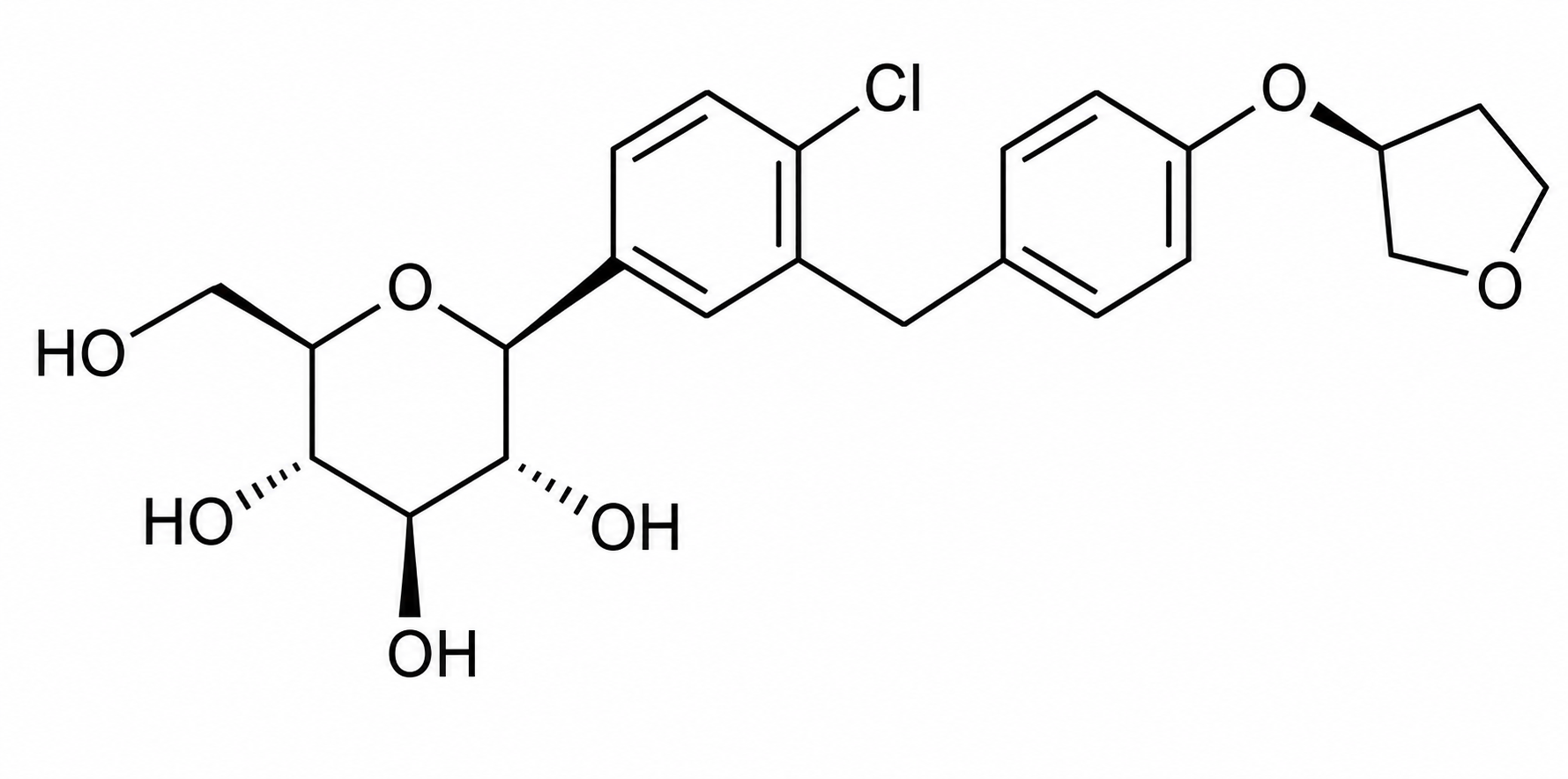
Empagliflozin Empagliflozin is an inhibitor of the SGLT2. Chemical name: D-Glucitol,1,5-anhydro-1-C-[4-chloro-3-[[4-[[(3S)-tetrahydro-3 furanyl]oxy]phenyl]methyl]phenyl]-, (1S). Molecular formula: C23H27ClO7 Molecular weight: 450.91
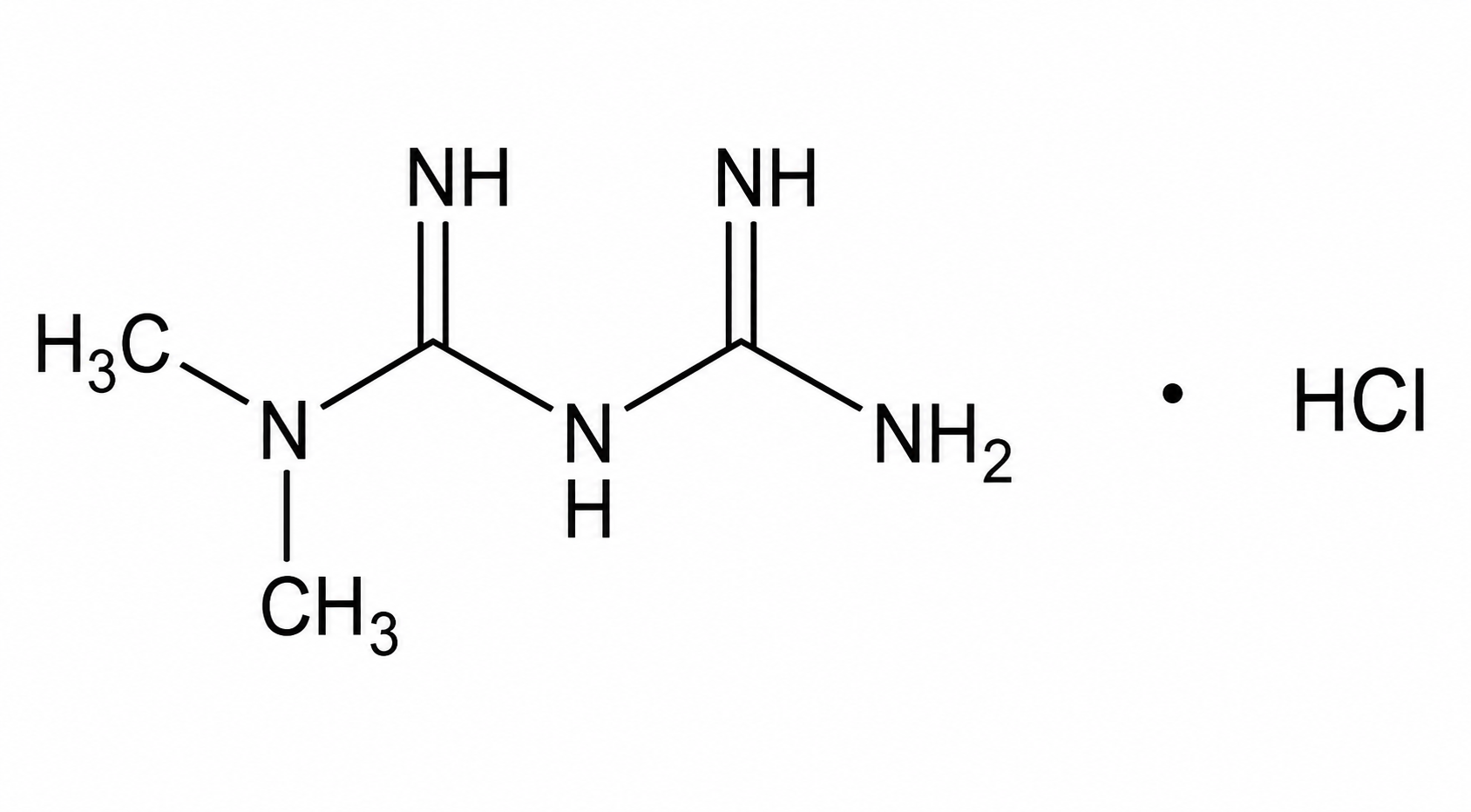
Metformin HCl Metformin HCl is a biguanide. Chemical name: N,N-dimethylimidodicarbonimidic diamide HCl Molecular formula: C4H11N5•HCl Molecular weight: 165.63.
8.0 Pharmaceutical Particulars
8.1 Incompatibilities
None.
8.2 Shelf-Life
Refer on pack.
8.3 Packaging Information
As per carton.
8.4 Storage and Handling Instructions
Keep out of reach of children. Store below 30°C in a dry place. Protect from light.
9.0 Patient Counselling Information
Lactic Acidosis Inform patients of the risks of lactic acidosis due to metformin, its symptoms, and conditions that predispose to its development. Advise patients to discontinue Emplic-M 500/1000 immediately and to notify their healthcare provider promptly if unexplained hyperventilation, malaise, myalgia, unusual somnolence, or other nonspecific symptoms occur. Counsel patients against excessive alcohol intake and inform patients about the importance of regular testing of renal function while receiving Emplic-M 500/1000. Instruct patients to inform their healthcare provider that they are taking Emplic-M 500/1000 prior to any surgical or radiological procedure, as temporary discontinuation may be required until renal function has been confirmed to be normal.
Diabetic Ketoacidosis in Patients with Type 1 Diabetes Mellitus and Other Ketoacidosis Inform patients that Emplic-M 500/1000 can cause potentially fatal ketoacidosis and that type 2 diabetes mellitus and pancreatic disorders (e.g., history of pancreatitis or pancreatic surgery) are risk factors.
Educate all patients on precipitating factors (such as insulin dose reduction or missed insulin doses, infection, reduced caloric intake, ketogenic diet, surgery, dehydration, and alcohol abuse) and symptoms of ketoacidosis (including nausea, vomiting, abdominal pain, tiredness, and labored breathing). Inform patients that blood glucose may be normal even in the presence of ketoacidosis.
Advise patients that they may be asked to monitor ketones. If symptoms of ketoacidosis occur, instruct patients to discontinue Emplic-M 500/1000 and seek medical attention immediately.
Volume Depletion Inform patients that symptomatic hypotension may occur with Emplic-M 500/1000 and advise them to contact their healthcare provider if they experience such symptoms. Inform patients that dehydration may increase the risk for hypotension and maintain adequate fluid intake.
Genitourinary Infections, including Urosepsis, Pyelonephritis, Necrotizing Fasciitis of the Perineum (Fournier's Gangrene), and Genital Mycotic Infections Counsel patients that genitourinary infections may occur when taking empagliflozin, a component of Emplic-M 500/1000, and may become serious. Educate them on the symptoms and advise them to seek medical advice if symptoms occur. Specifically, advise patients to promptly seek medical attention if they develop pain or tenderness, redness, or swelling of the genitals or the area from the genitals back to the rectum, along with a fever above 100.4 °F or malaise.
Hypoglycemia Inform patients that hypoglycemia has been reported when Emplic-M 500/1000 is used with insulin secretagogues or insulin. Educate patients or caregivers on the signs and symptoms of hypoglycemia.
Lower Limb Amputation Counsel patients about the importance of routine preventative foot care. Instruct patients to monitor for new pain or tenderness, sores or ulcers, or infections involving the leg or foot and to seek medical advice immediately if such signs or symptoms develop.
Hypersensitivity Reactions Inform patients that serious hypersensitivity reactions, such as urticaria and angioedema, have been reported with empagliflozin, a component of Emplic-M 500/1000. Advise patients to report immediately any skin reaction or angioedema, and to discontinue the drug until they have consulted prescribing healthcare provider.
Vitamin B12 Deficiency Inform patients about the importance of regular hematological parameters while receiving Emplic-M 500/1000.
Laboratory Tests Inform patients that elevated glucose in urinalysis is expected when taking Emplic-M 500/1000.
Pregnancy Advise pregnant patients, and patients of reproductive potential, of the potential risk to a fetus with treatment with Emplic-M 500/1000. Instruct patients to report pregnancies to their healthcare provider as soon as possible.
Lactation Advise patients that breastfeeding is not recommended during treatment with Emplic-M 500/1000.
Patients of Reproductive Potential Inform patients that treatment with metformin HCl may result in ovulation in some premenopausal anovulatory patients, which may lead to unintended pregnancy.
Missed Dose Instruct patients to take Emplic-M 500/1000 only as prescribed. If a dose is missed, it should be taken as soon as the patient remembers. Advise patients not to double their next dose.